How face shape styling works
Most styling is about optical balance: adding height, reducing width, softening angles, or adding volume where needed. Use these as guidelines—not rules—and prioritize what looks best in real life and in photos.
Oval Face
Balanced proportions with flexible styling options.
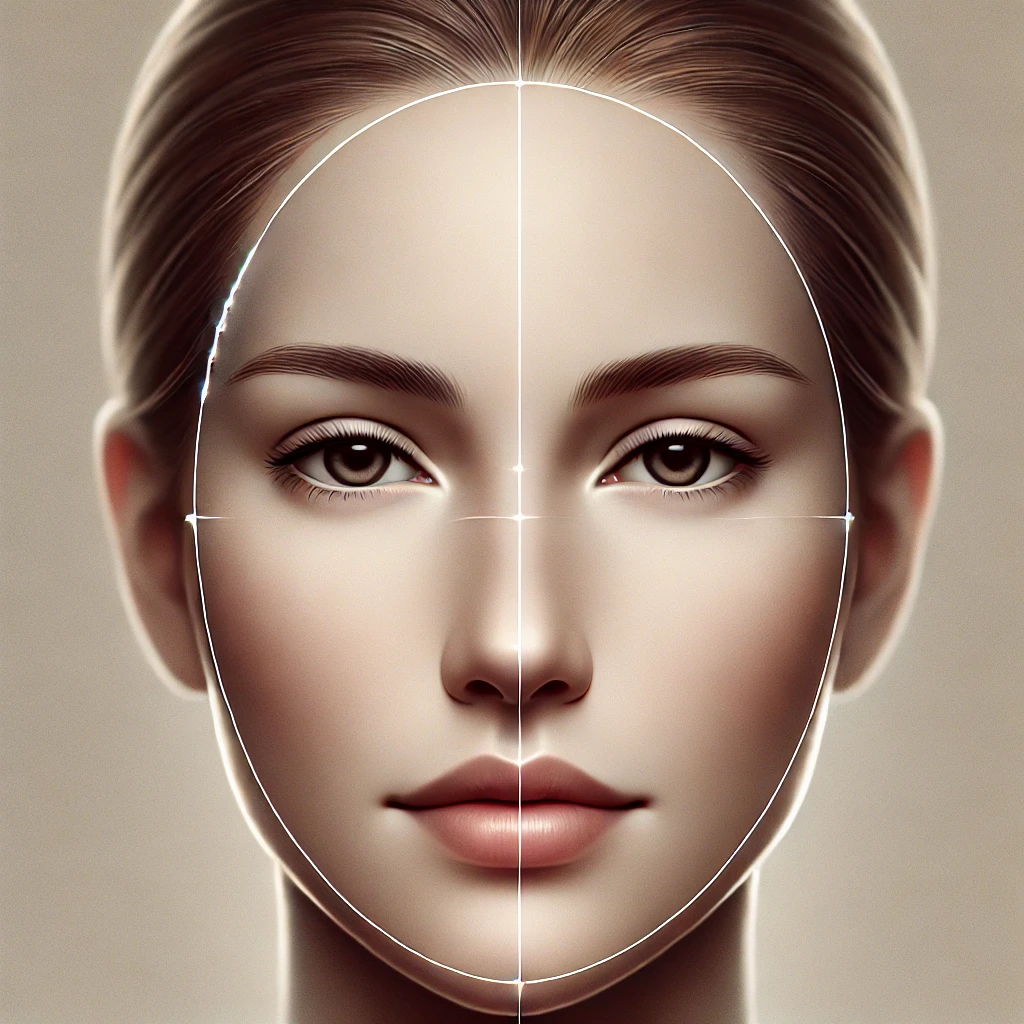
The oval face shape is often considered versatile and balanced. Soft waves and layered styles complement this shape well. The natural symmetry allows flexibility, whether you choose long, flowing hair or a chic bob. Avoid very heavy fringes that fully cover the forehead if they disrupt overall harmony.
Round Face
Create the impression of length and definition.
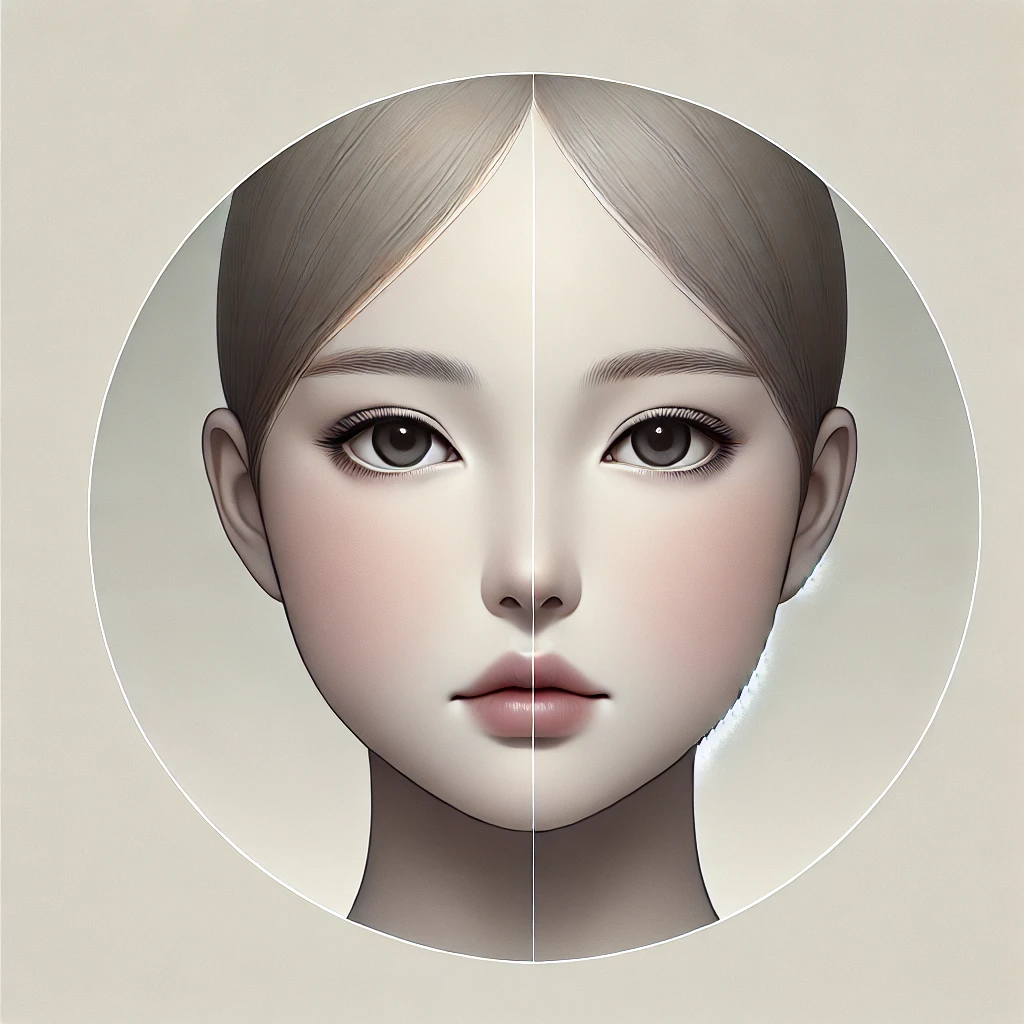
Round faces have soft curves and similar width and height. To add definition, choose layered hairstyles or styles that add volume at the crown. Longer cuts with subtle waves, side-swept bangs, and deep parts can help elongate the face. Avoid very blunt, chin-length cuts that add width.
- Go for height at the top (volume, layers).
- Use diagonal lines (side part, side fringe).
- Keep sides lighter than the crown.
Square Face
Soften angular features and strong jawlines.
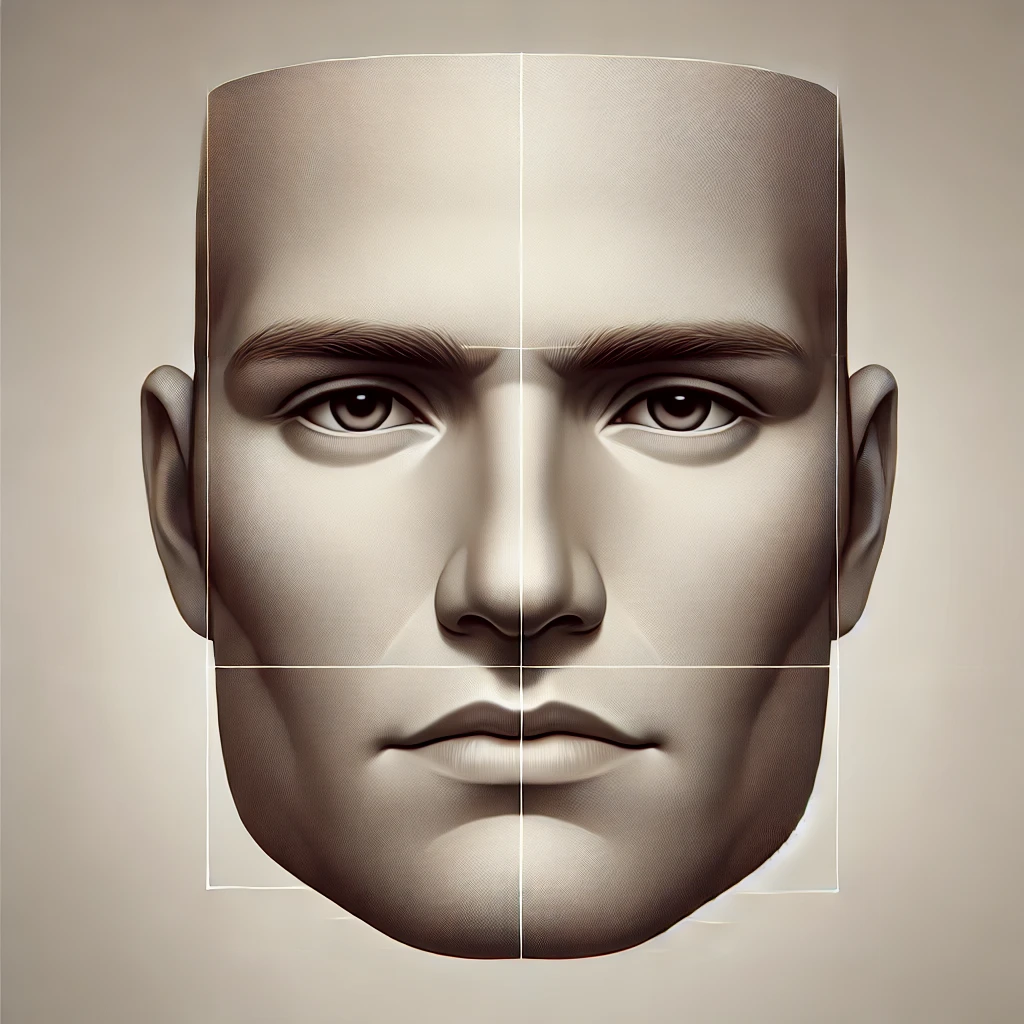
Square faces are defined by strong jawlines and broader foreheads. Styles that soften angles work best: side-swept bangs, textured waves, and long layers reduce the sharpness of the jawline. Medium-length cuts with soft curls or wispy ends add a gentler outline. Avoid blunt cuts that stop exactly at the jaw.
- Prefer texture over perfectly straight lines.
- Keep movement around the jaw area (waves/curls).
- Try layers that start below the cheekbones.
Heart-Shaped Face
Balance a wider forehead with more volume near the chin.
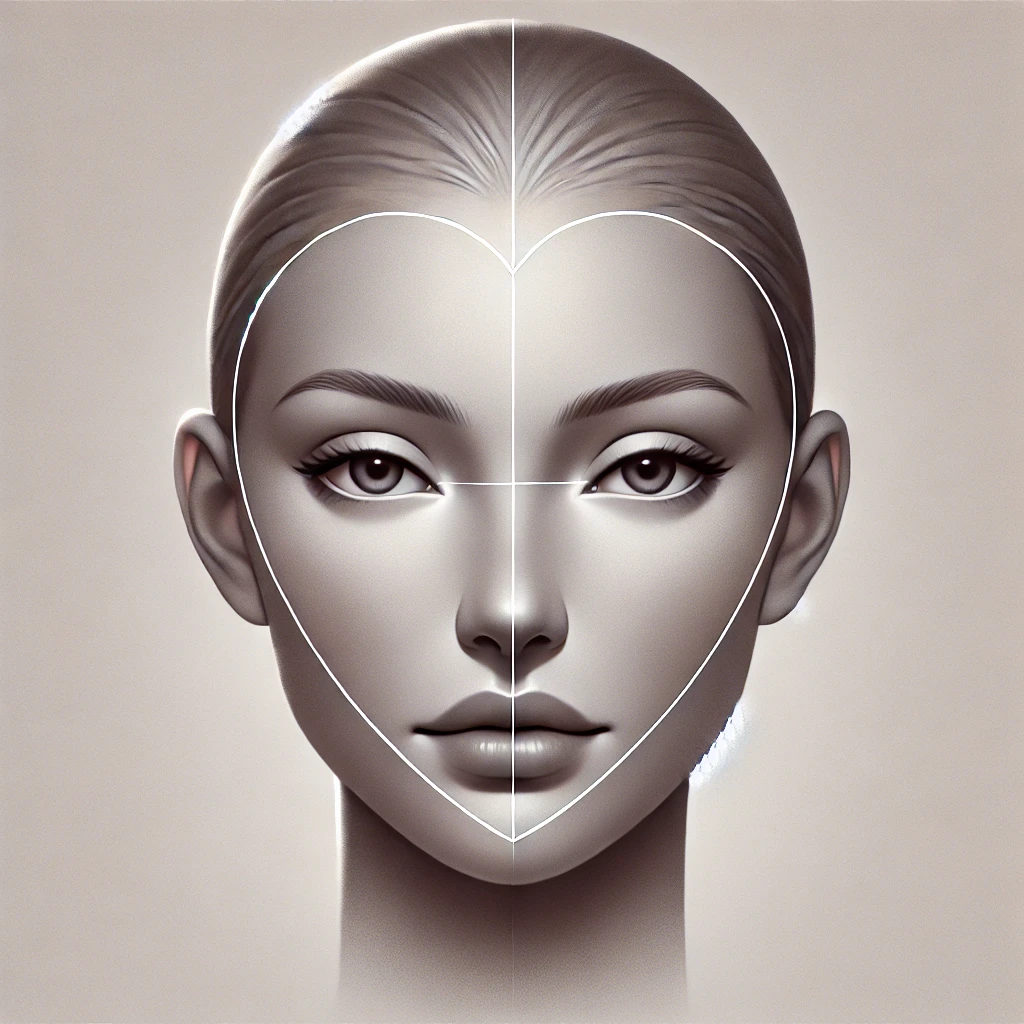
Heart-shaped faces have a wider forehead and cheekbones that taper to a narrower chin. To balance proportions, add volume around the lower face: chin-length bobs, soft curls, and side-swept bangs draw attention away from the upper face. Avoid excessive crown volume that can exaggerate forehead width.
- Add fullness near jaw/chin (ends that flip out slightly).
- Side-swept fringe reduces forehead emphasis.
- Keep crown volume moderate.
Diamond Face
Add visual width at the forehead and jaw to balance high cheekbones.
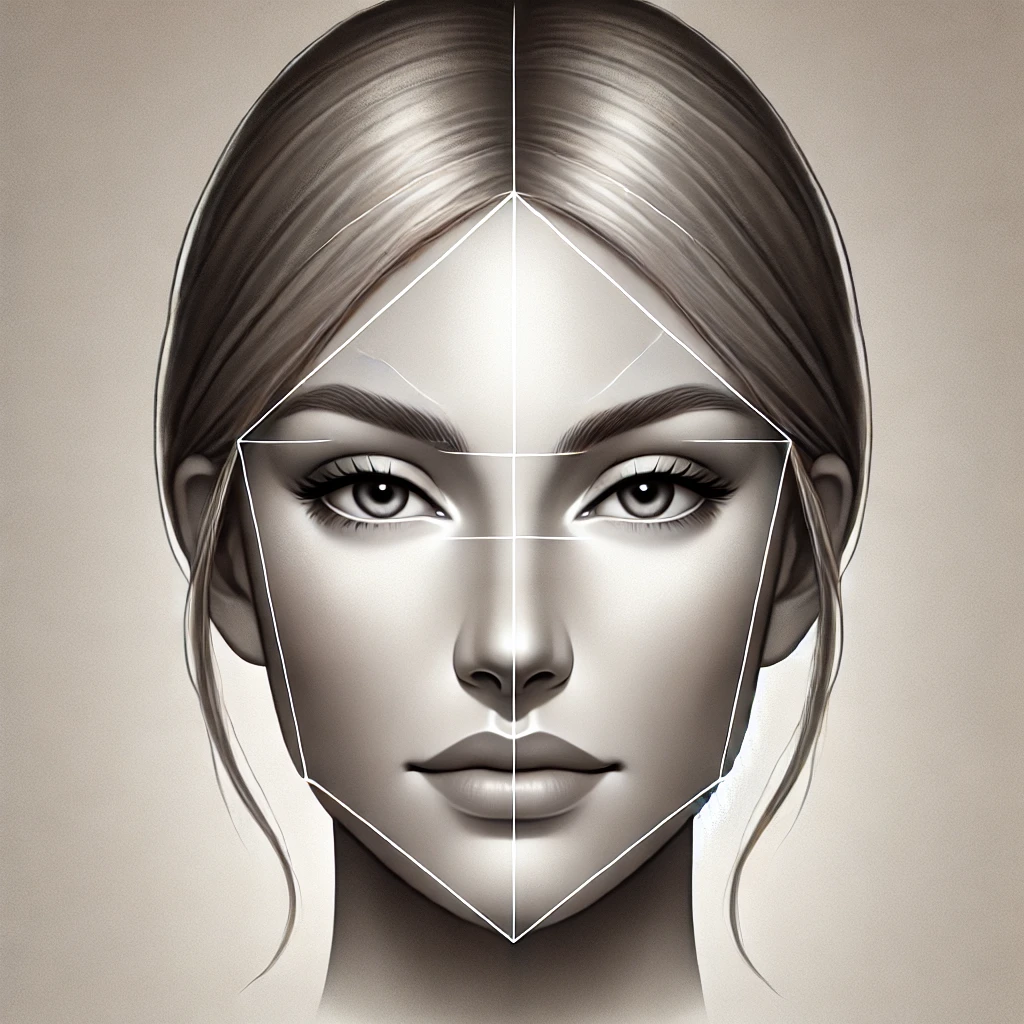
Diamond faces typically feature high cheekbones with a narrower forehead and chin. Add perceived width at the forehead and chin while keeping balance at the cheekbones. Side-swept bangs and layered cuts can work well. Avoid overly sleek styles that emphasize narrow areas.
- Try bangs or volume near the temples.
- Use layers to distribute width above and below cheekbones.
- Prefer soft texture over slick-back looks.
Next recommended pages
Continue improving results with related guides: