How to use these tips
Consistency beats complexity. Master the three basics—gentle cleansing, moisturizing, and daily sunscreen—for at least a month before adding anything else. When you do add a new product, change one variable at a time so you can tell what's working. If you ran our face analyzer and want your skin to photograph better, these five steps are where the visible gains are.
1. Cleanse Your Skin — Gently
Remove dirt, oil, sunscreen, and pollutants—without stripping your barrier.

Cleansing is the foundation of every routine, and the most common mistake is doing it too aggressively. Hot water, harsh sulfate cleansers, and scrubbing all strip the lipid barrier that keeps skin calm and hydrated—leaving it tight, flaky, and paradoxically oilier as it overcompensates. Wash with lukewarm water, massage the cleanser in gently with your fingertips for 30–60 seconds, and pat (don't rub) dry.
Match the formula to your skin type: a low-pH gel or foaming cleanser suits oily and combination skin; cream, milk, or balm textures suit dry and sensitive skin. If you wear sunscreen daily (you should—see step 2) or makeup, an evening double cleanse works well: an oil-based cleanser or balm first to dissolve sunscreen and sebum, then a gentle water-based cleanser to finish.
Morning cleansing can be lighter—many people with dry skin do fine with just water in the morning. The signal to watch: if your skin feels "squeaky" or tight after washing, your cleanser is too strong.
2. Protect with Sunscreen — Every Day
The single highest-impact daily step for preventing premature aging and discoloration.
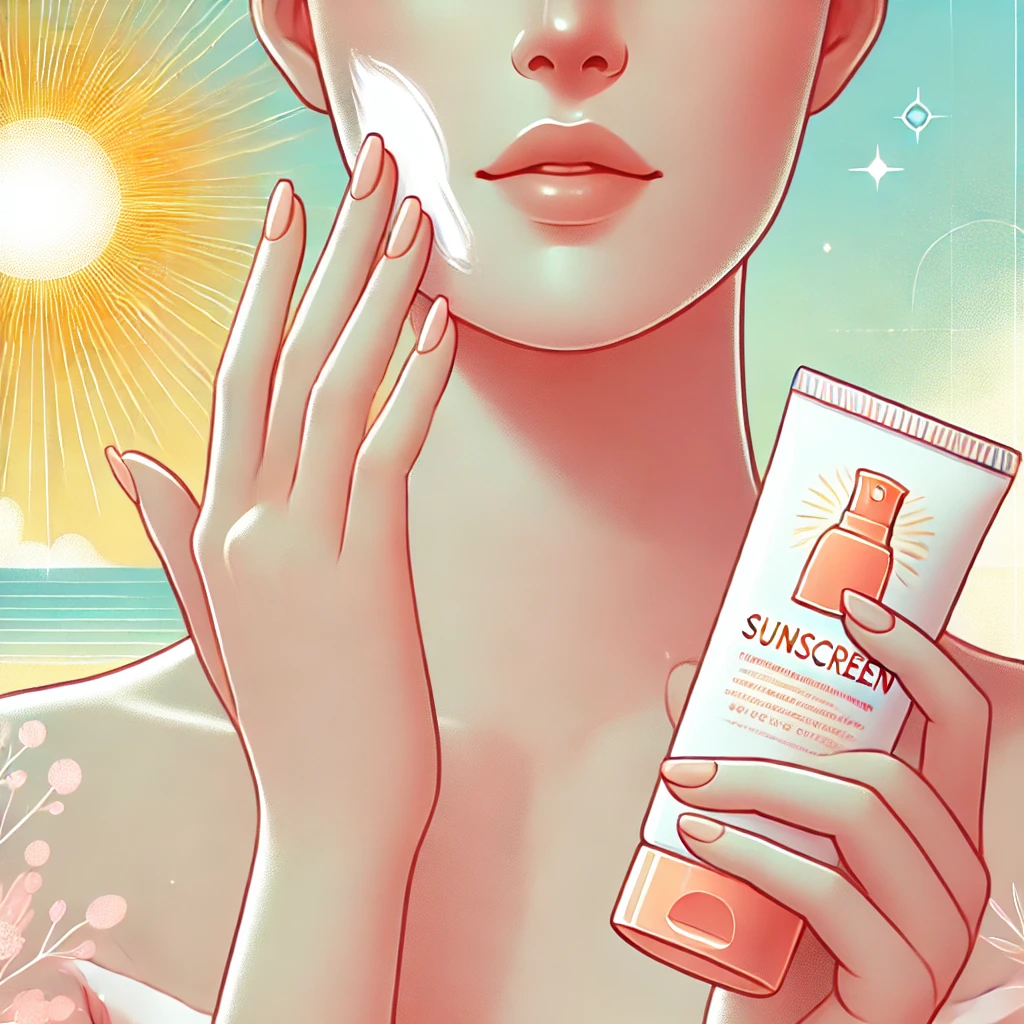
If you adopt only one habit from this page, make it this one. Ultraviolet exposure drives the majority of visible skin aging—wrinkles, sagging, uneven tone, and dark spots—and it accumulates through windows, on cloudy days, and during short errands. A broad-spectrum sunscreen of SPF 30 or higher, applied every morning as the last step of your routine, is the closest thing skincare has to a proven anti-aging treatment.
Quantity matters more than most people realize: studies consistently show users apply only a quarter to a half of the amount used in SPF testing. For the face and neck, aim for about a quarter teaspoon—roughly two finger-lengths of product. Reapply every two hours during extended outdoor exposure, and don't forget the ears, neck, and the backs of your hands.
Texture is why most people quit sunscreen, so shop until you find one you actually enjoy wearing: modern chemical filters feel like light lotions, mineral (zinc oxide/titanium dioxide) versions suit sensitive skin, and Asian sunscreens are famous for elegant, non-greasy finishes. The best sunscreen is the one you'll use daily.
3. Hydrate and Moisturize
Support elasticity and barrier function with the right texture for your skin type.
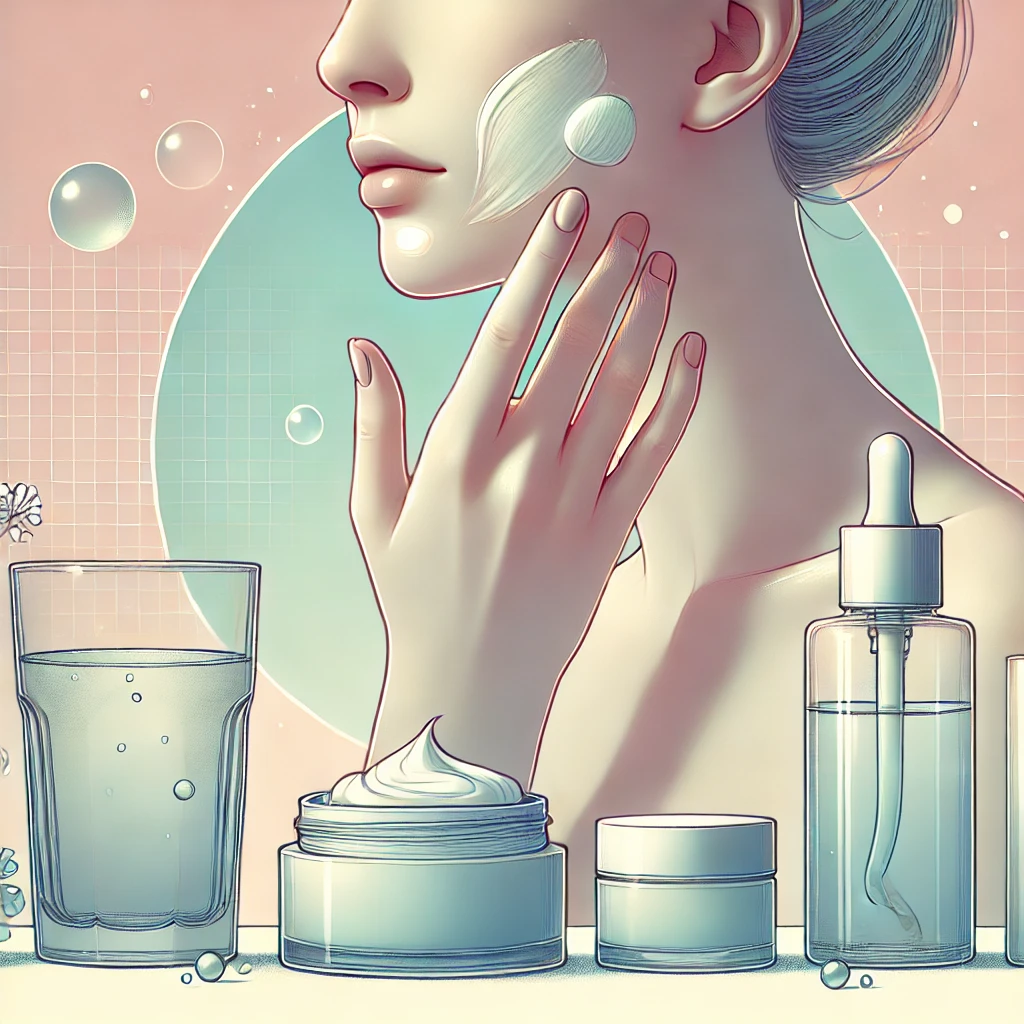
Moisturizer does two jobs: it adds water to the skin and it slows the rate at which water escapes (transepidermal water loss). Well-hydrated skin looks smoother, reflects light more evenly, and shows fine lines less—one reason skin often photographs better within days of starting a consistent moisturizing habit.
Learn three ingredient families and you can read almost any label. Humectants (hyaluronic acid, glycerin) pull water into the skin—apply them to slightly damp skin for best effect. Emollients (squalane, fatty alcohols, plant oils) smooth the surface. Occlusives (petrolatum, dimethicone, shea butter) seal moisture in. Look also for ceramides and niacinamide, which support the barrier itself.
Choose texture by skin type: lightweight oil-free gels for oily or acne-prone skin, lotions for normal/combination, and richer creams for dry skin—especially at night, when the skin's repair processes are most active. In cold, dry months, most skin types benefit from stepping one level richer.
4. Exfoliate Regularly — But Carefully
Improve brightness and texture without wrecking your barrier.
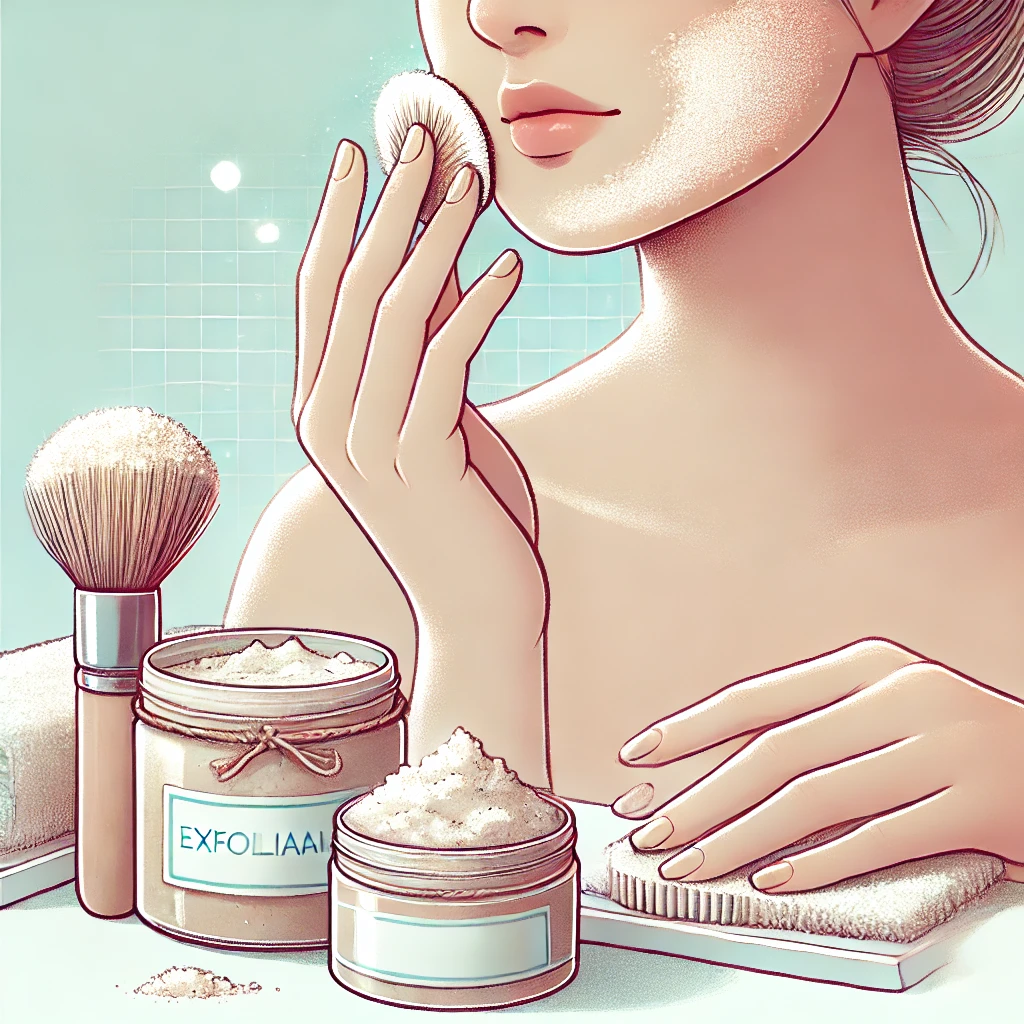
Exfoliation removes the buildup of dead surface cells that makes skin look dull and rough. For most people, chemical exfoliants are gentler and more even than physical scrubs: AHAs (glycolic, lactic acid) work at the surface and suit dullness and sun damage, while the oil-soluble BHA (salicylic acid) penetrates pores, making it the pick for blackheads and acne-prone skin. PHAs are a mild option for sensitive skin.
Start with once a week at a low concentration, and only increase to twice weekly if your skin stays calm. The signs of over-exfoliation are unmistakable: stinging when you apply other products, redness, shiny-tight texture, and flaking. If that happens, stop exfoliating entirely for two weeks and rebuild with just cleanser, moisturizer, and sunscreen.
One critical pairing rule: exfoliating acids increase sun sensitivity, so daily SPF (step 2) is non-negotiable while using them. Avoid layering multiple strong actives (e.g., an AHA and retinoid the same night) until you know your tolerance.
5. Eat and Live for Your Skin
Skin reflects what happens inside: nutrition, sleep, and stress all show up on your face.

No cream can fully compensate for what's happening inside. Antioxidant-rich foods—colorful vegetables, berries, green tea—help counter the oxidative stress that degrades collagen. Omega-3 fatty acids from fish, walnuts, and flaxseed support the lipid barrier and may calm inflammatory skin conditions. Adequate protein supplies the amino acids collagen is built from, and vitamin C is a required cofactor in collagen synthesis.
On the flip side, diets very high in refined sugar promote glycation—a process that stiffens collagen fibers—and for some people, high-glycemic diets and certain dairy products aggravate acne. You don't need a perfect diet; you need a consistent pattern with more whole foods than processed ones.
Finally, the two free skincare products everyone ignores: sleep (7–9 hours—growth hormone released during deep sleep drives skin repair) and stress management (cortisol worsens acne, eczema, and psoriasis). Combined with the four steps above, these habits do more for your skin than any single expensive product.
Next recommended pages
Continue with related guides: